Albertville 1992
Winter Games in transition
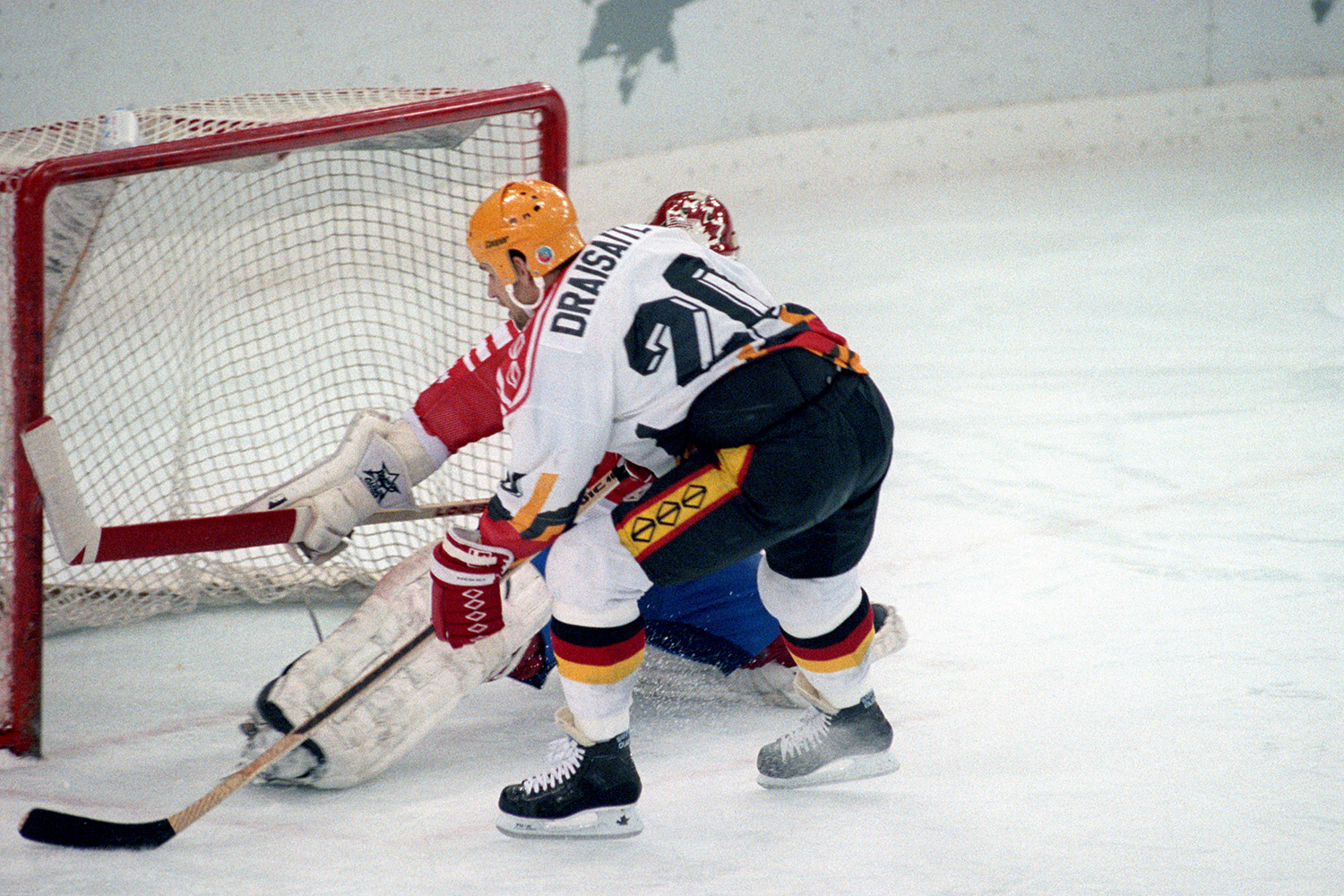
The Albertville Games mark a turning point in winter sports. After the fall of the Berlin Wall, Germany competes with a unified team. At the same time, elite sports lack the driving force of the Cold War: the politically charged duel between systems, in which medals were seen as proof of national superiority. Under these new circumstances, Germany made a sporting statement and led the medal table. The team benefited significantly from the performance of athletes who had been trained in the GDR: in speed skating, for example, they won all eleven medals. And of the ten Olympic victories, only two athletes whose careers began in the old Federal Republic of Germany are involved: luger Georg Hackl and Fritz Fischer, the anchorman of the biathlon relay team. In terms of sport, the Winter Games in Albertville represent a new beginning and new additions to the program: short track, freestyle skiing, and women's biathlon are represented as full disciplines for the first time. However, the Games are remembered above all as a commercially exploited event, consistently tailored to TV suitability. The competition venues were spread across the Savoy Alps, and new infrastructure was created in many places for this purpose. This gave a modern and professional impression, but at the same time seemed rather sober – with noticeable ecological consequences due to structural interventions in the mountain landscape and increasing traffic congestion. The ice hockey tournament provided pure drama: the quarter-final between Germany and Canada saw the first penalty shootout in Olympic history. Peter Draisaitl pushed the puck through the goalkeeper's pads, but the puck remained on the line – no goal, Germany was out.
Mark Kirchner
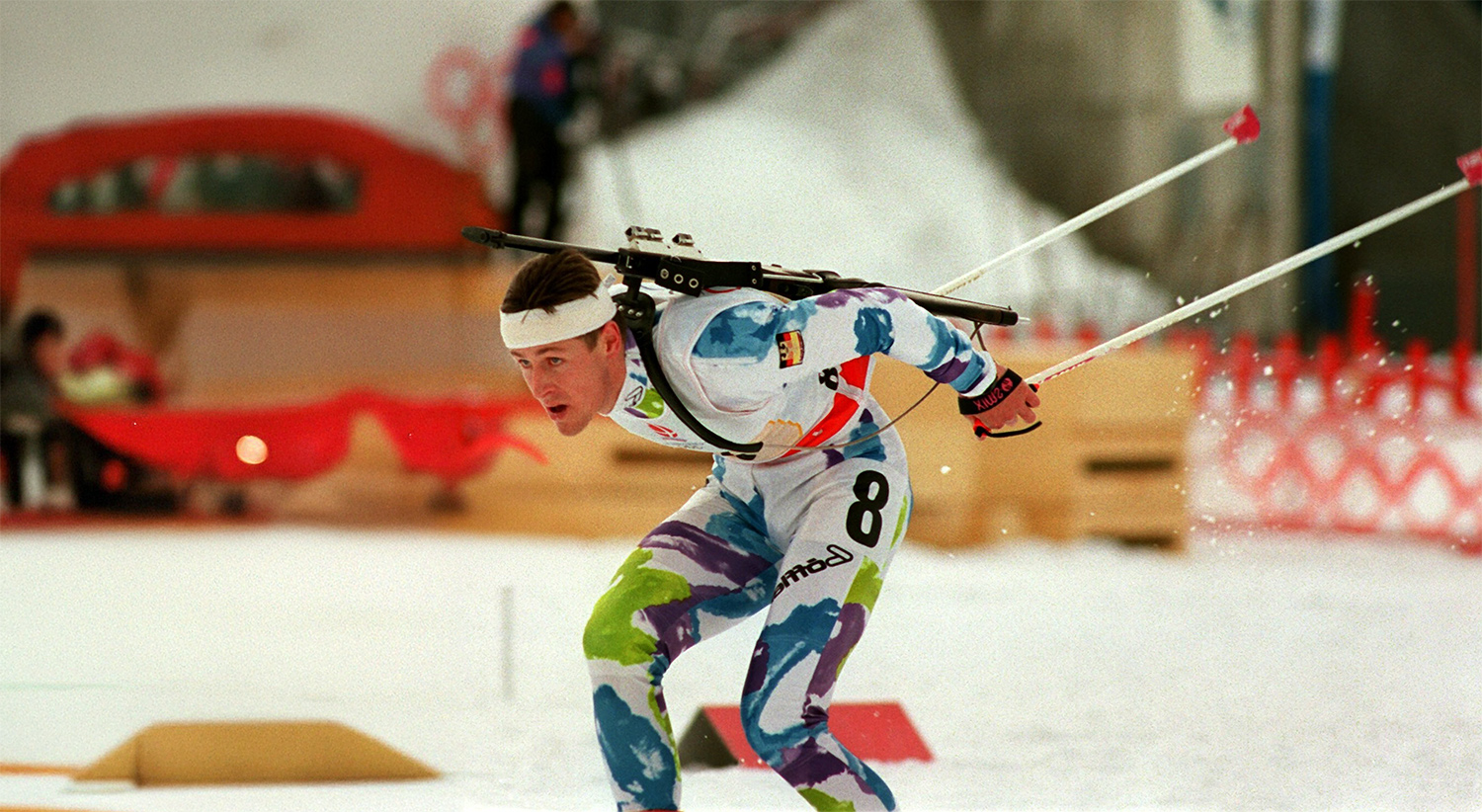
Mark Kirchner (born 1970) grows up on the Rennsteig in Thuringia, a region with a strong winter sports tradition. He is one of the most successful biathletes in history. In Albertville, he wins gold in the sprint and with the relay team. Kirchner misses out on a possible third Olympic victory in the 20-kilometer individual race due to a mistake on his last shot – he finishes second. In 1994 in Lillehammer, he won another relay gold medal and was the flag bearer for the German team. After retiring from active competition, he trained as a coach and took over as head coach of the German men's team in 2010. He shaped the team for many years before stepping down at the end of the 2022/23 season.
- Besuch planen Alle Infos rund um den Besuch
- Führungen Direkt online buchen
- Eintritt Tickets kaufen
- Museumsshop Unser Online-Shop
- Event & Location Alle Infos für die Planung Ihrer Veranstaltung
