Chamonix 1924
The Olympic premiere
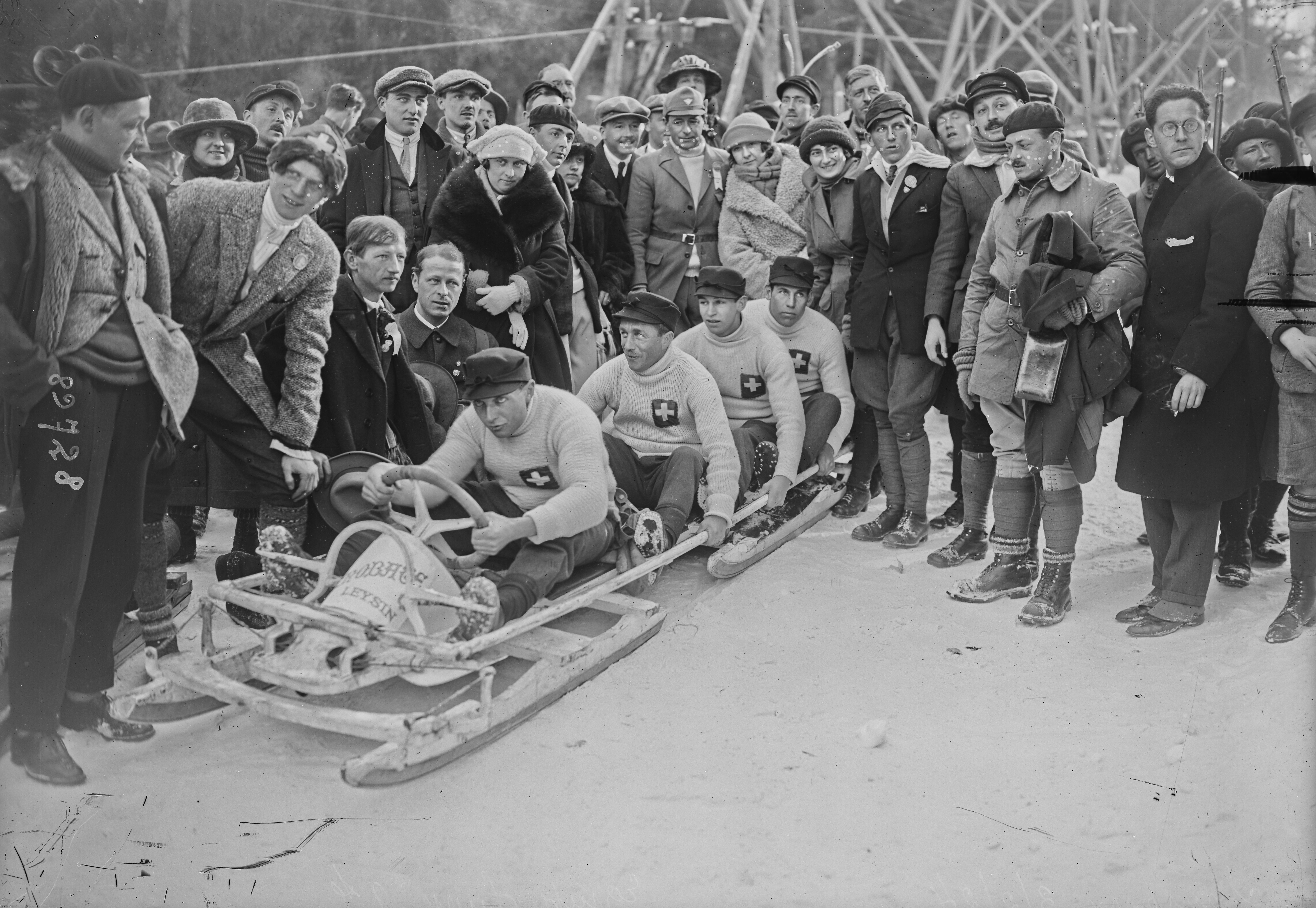
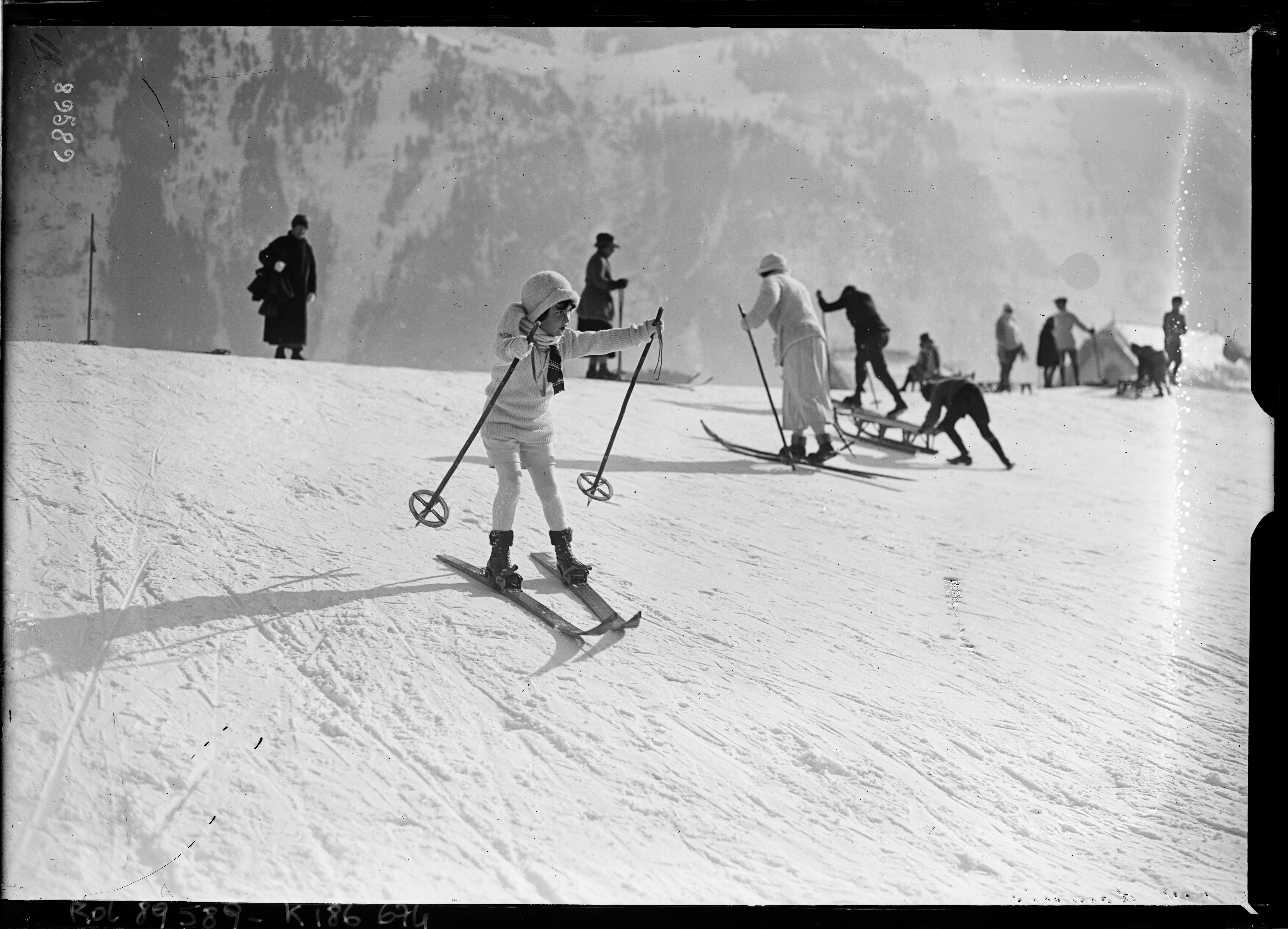
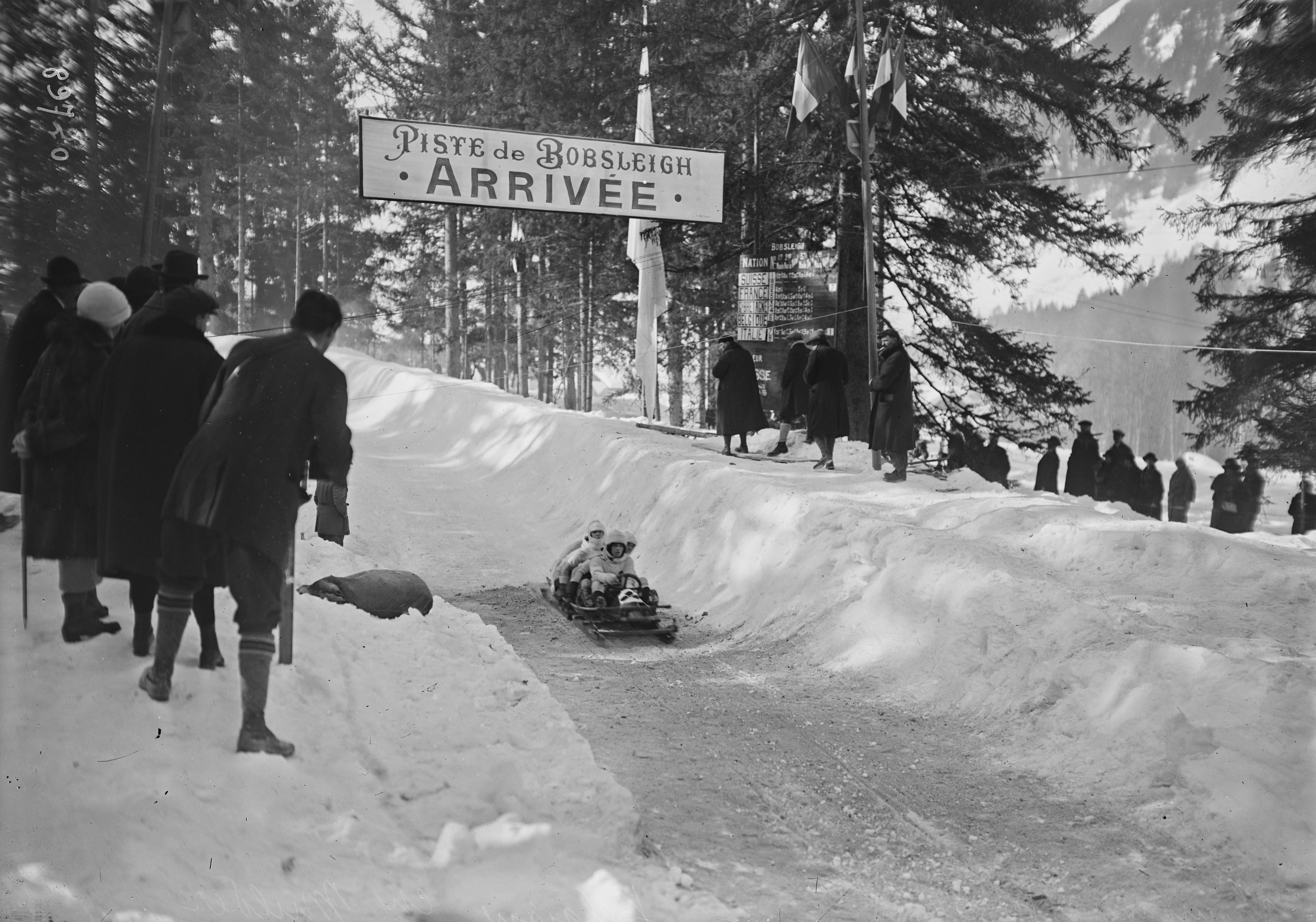
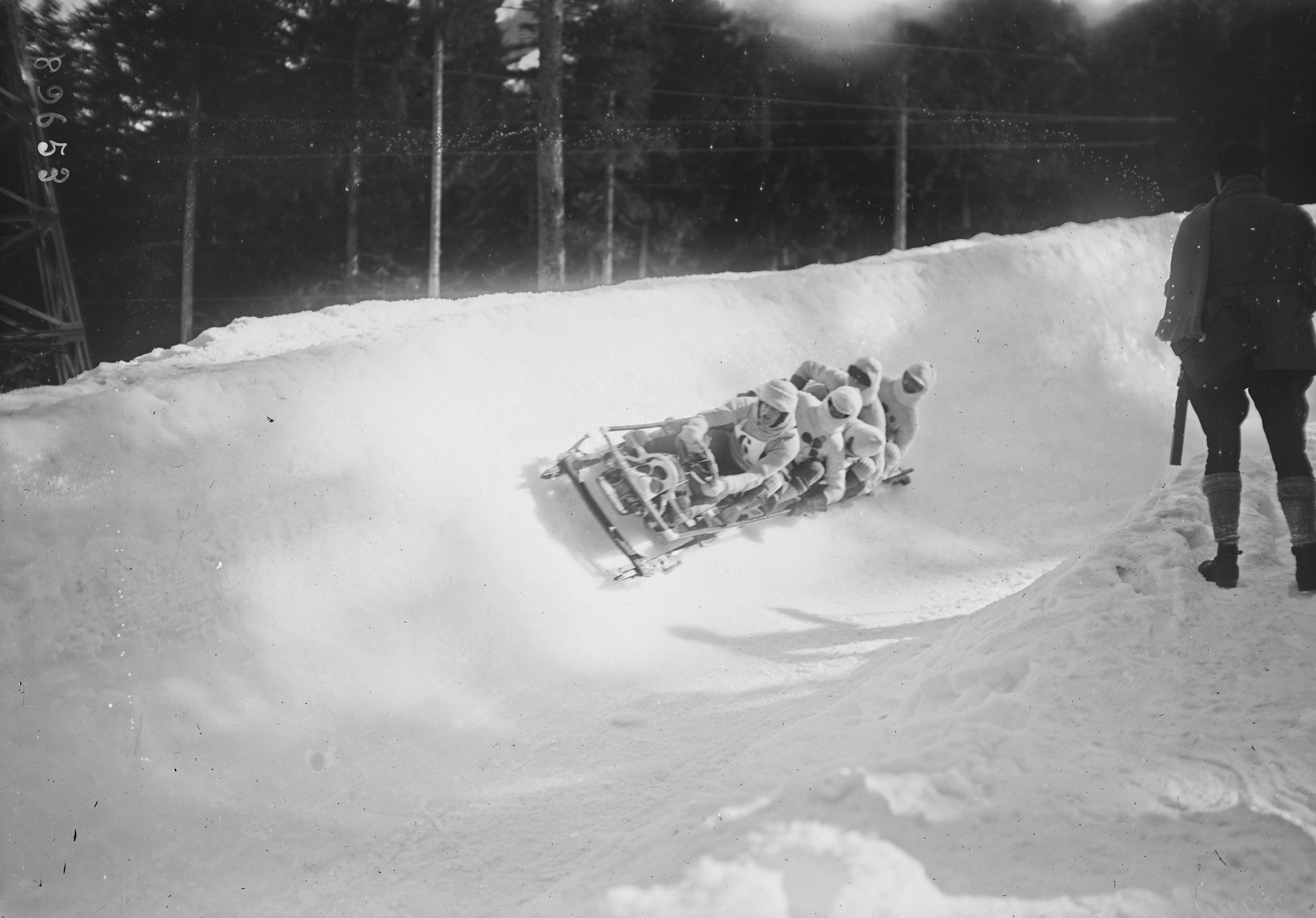
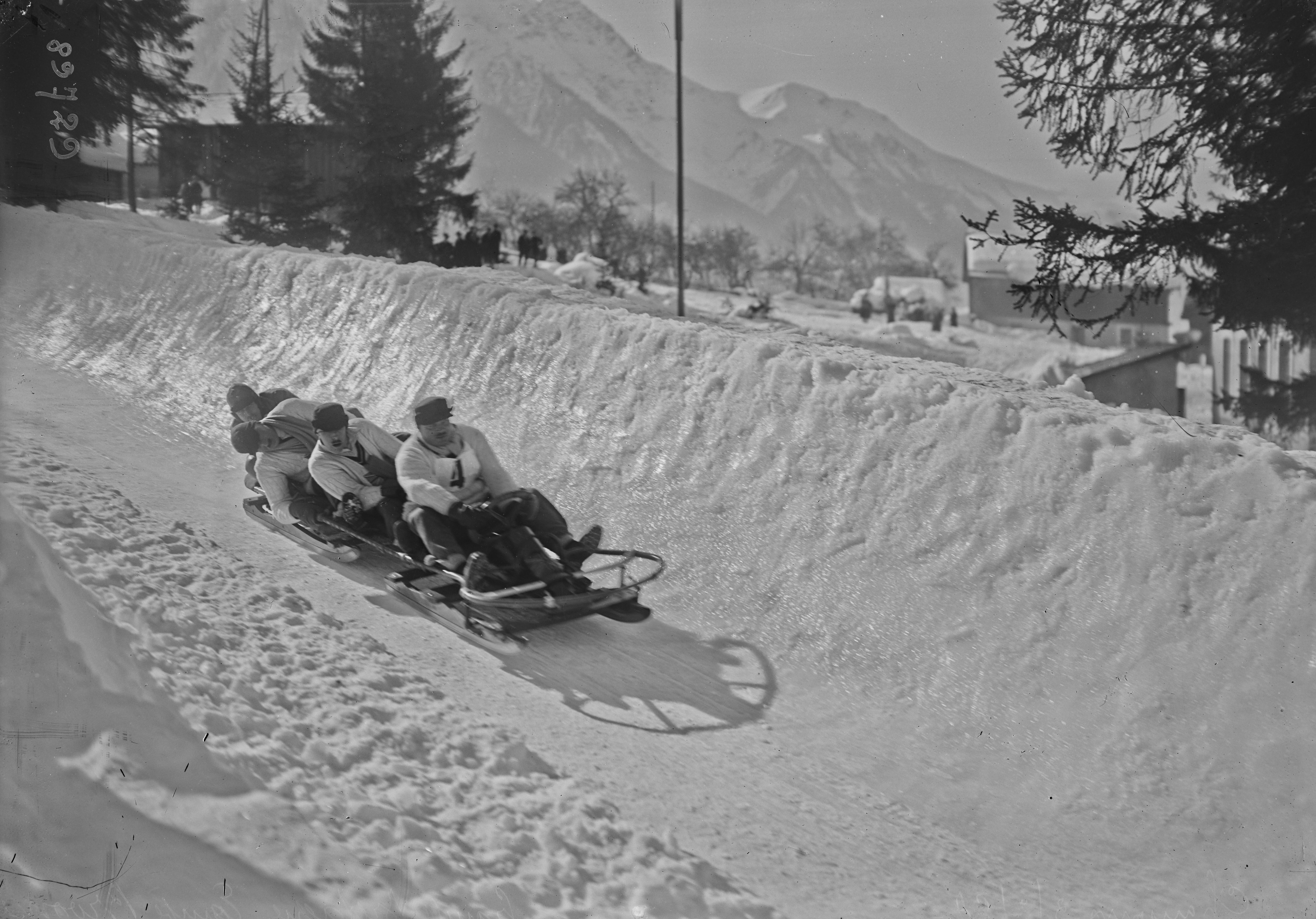
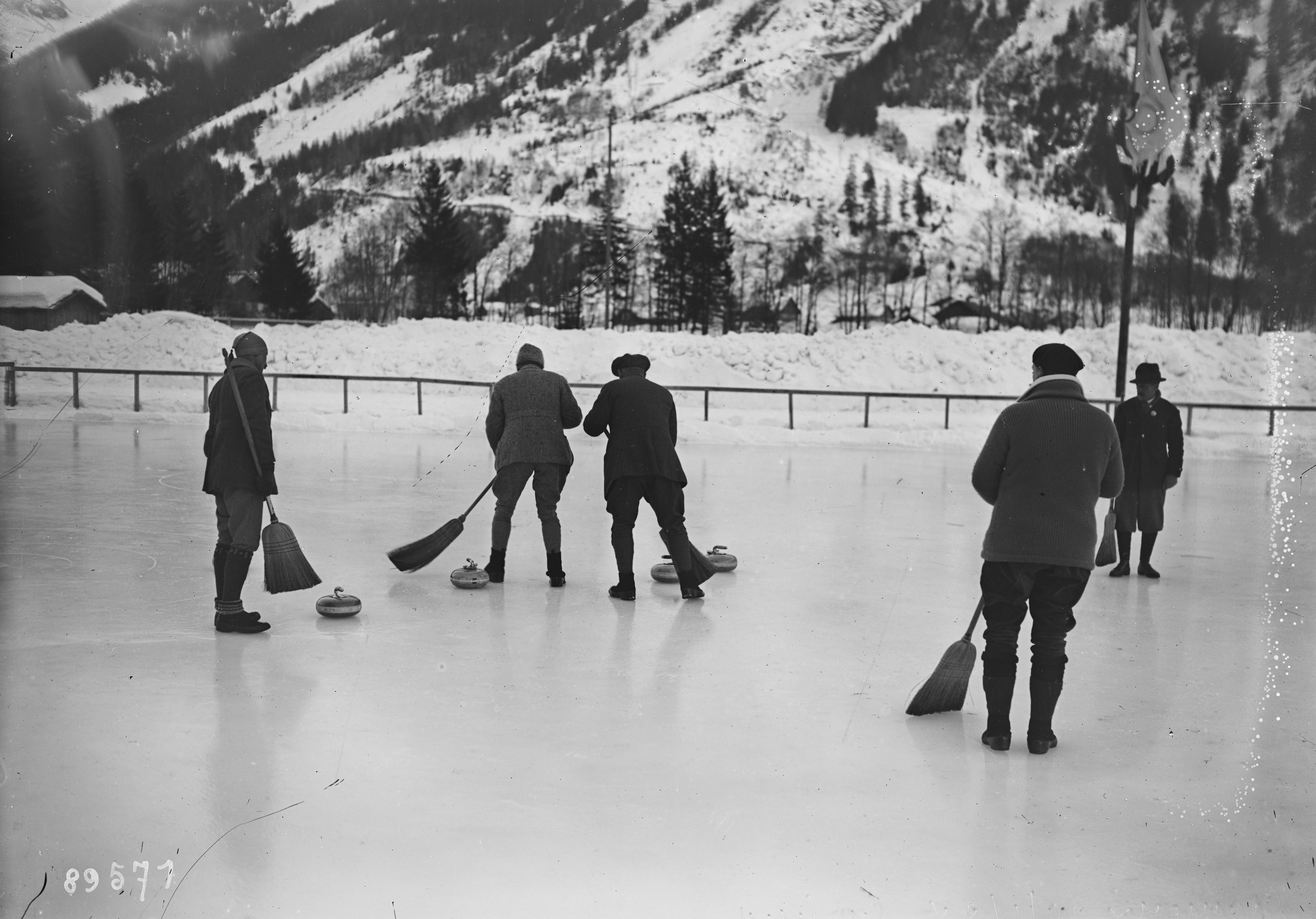
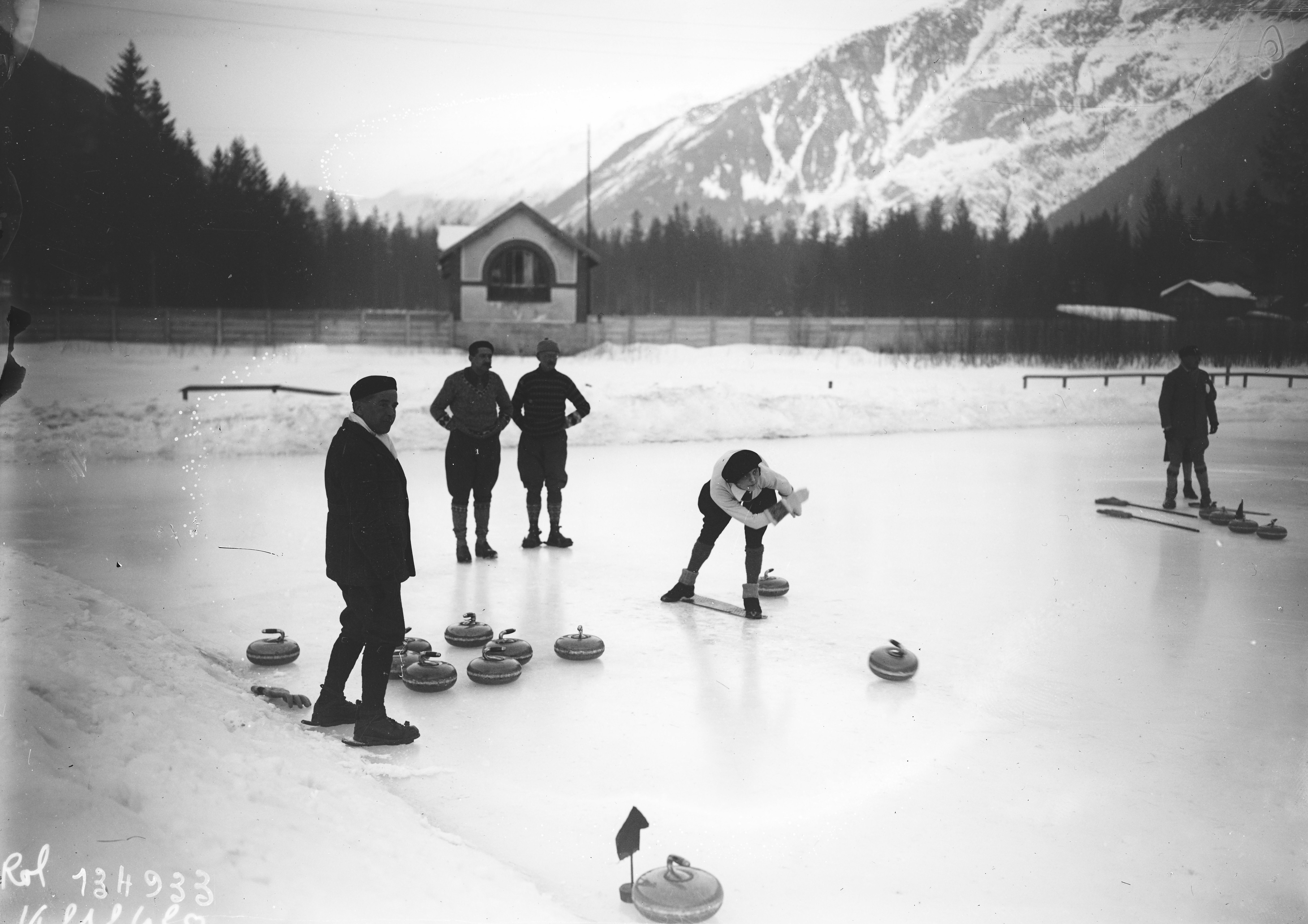
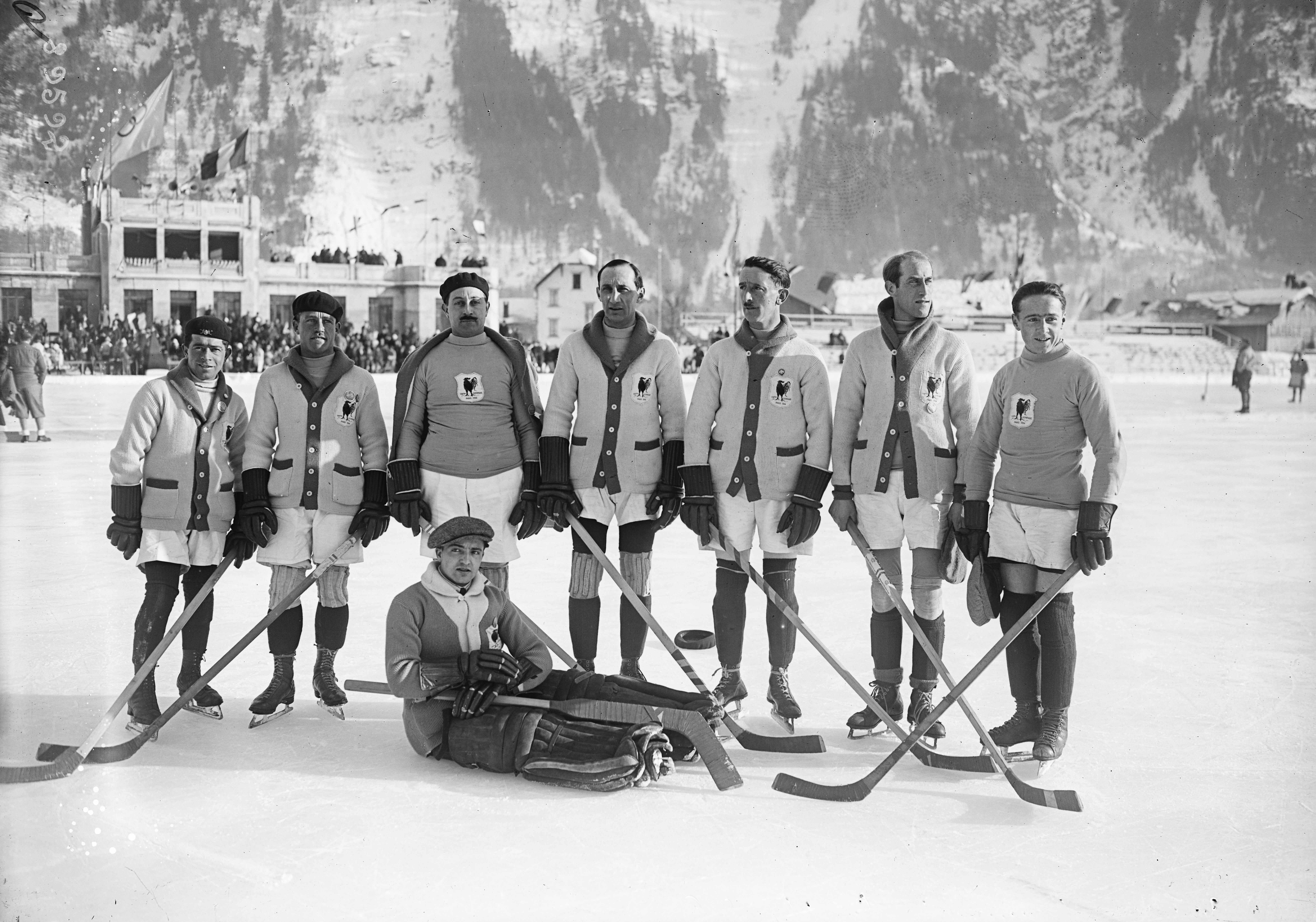
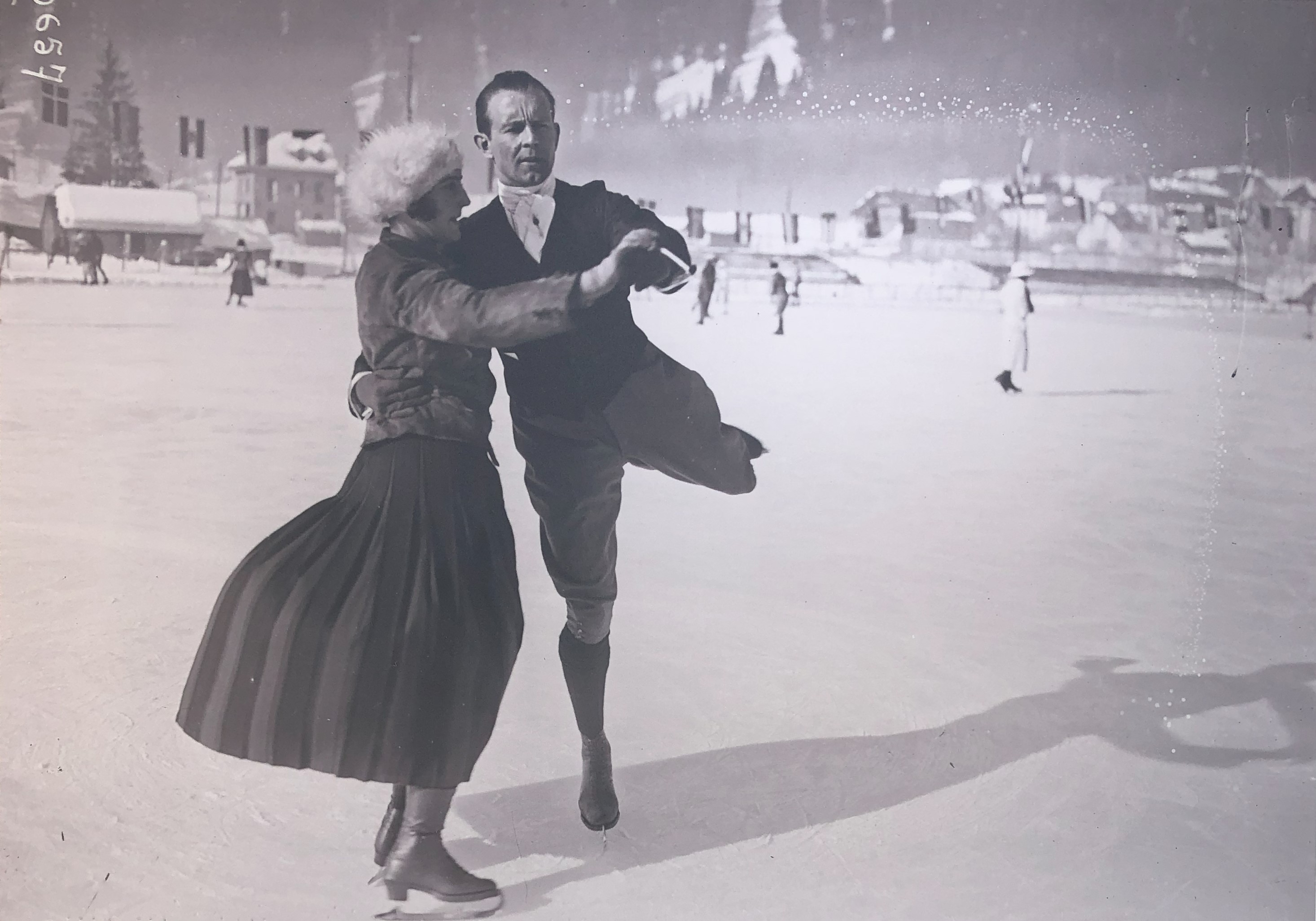
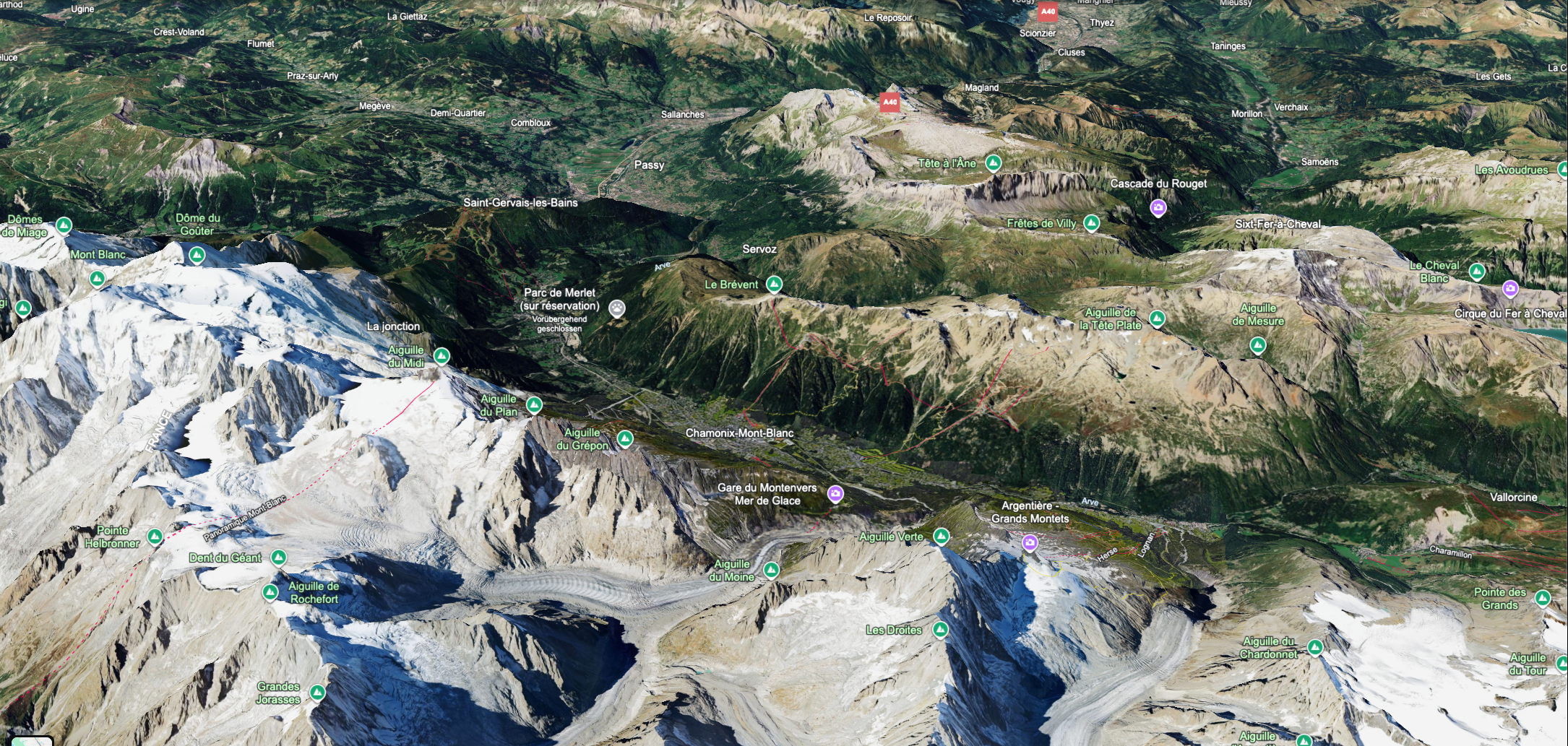
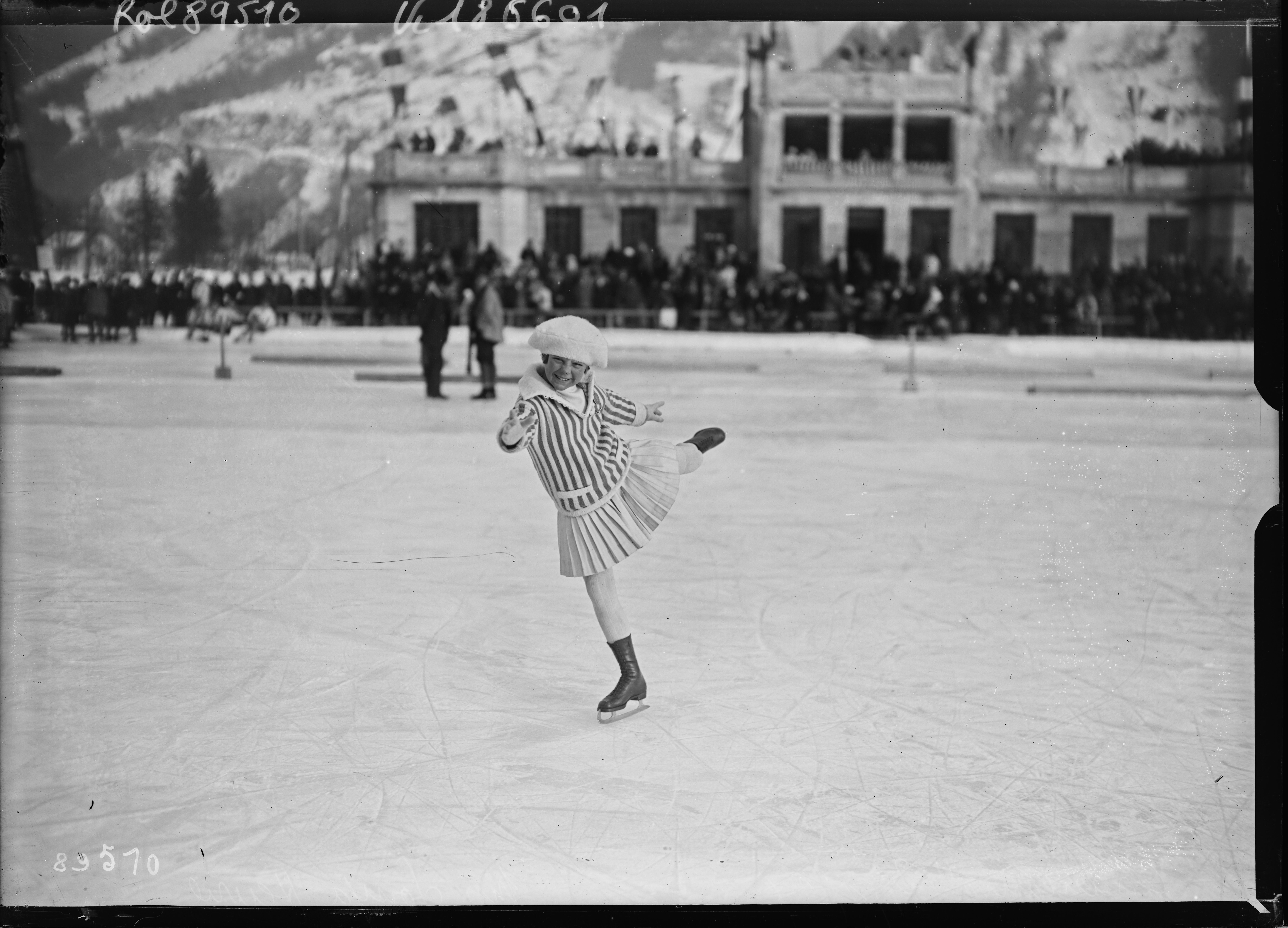
It is a milestone in the history of winter sports. Originally planned as an “International Winter Sports Week” in conjunction with the Summer Games in Paris, the event is later officially recognized as the “I Olympic Winter Games.” Against the backdrop of the Mont Blanc massif, ice skaters, ice hockey players, and bobsleigh teams from 16 nations compete. German athletes are not invited, a good five years after the end of the war. In Scandinavia, the new Olympic winter format is initially viewed critically—not least because it competes with the Nordic Games, which have been established since 1901. Nevertheless, the Scandinavian countries took part and celebrated great sporting successes. Winter sports are now becoming a modern leisure and competitive culture. They are transforming from a practical means of transportation on snow and ice to a way of life in their own right. This change is also affecting the venue: Chamonix was originally a mountaineering resort whose tourism was geared towards summer and alpinism. Now, here as elsewhere, simple mountain villages with modest infrastructure are being transformed into winter sports centers with hotels, mountain railways, and groomed slopes. The images from 1924—ice hockey on natural ice, cross-country skiers on wooden skis, elegant figure skaters under the open sky—shape a new idea of winter vacation as a mixture of sport, nature experience, and social stage. The Norwegian Sonja Henie embodies this particularly impressively: in 1924, she started out as an 11-year-old figure skater with no chance of winning a medal. Later, she became a multiple Olympic champion – the first global star on the ice and eventually also a film icon.
Sonja Henie
Sonja Henie (1912-1969) was a Norwegian figure skater and later a film actress. She was already on the ice as a child and dominated her sport as a teenager: she won Olympic gold three times (1928, 1932, 1936) and ten consecutive world championship titles between 1927 and 1936. With her elegant yet showy style, she shaped modern figure skating. After her career, she performed in ice revues in the USA and made figure skating popular worldwide as a stage spectacle.
Footage from Chamonix
- Besuch planen Alle Infos rund um den Besuch
- Führungen Direkt online buchen
- Eintritt Tickets kaufen
- Museumsshop Unser Online-Shop
- Event & Location Alle Infos für die Planung Ihrer Veranstaltung
