Garmisch-Partenkirchen 1936
Ice-cold propaganda
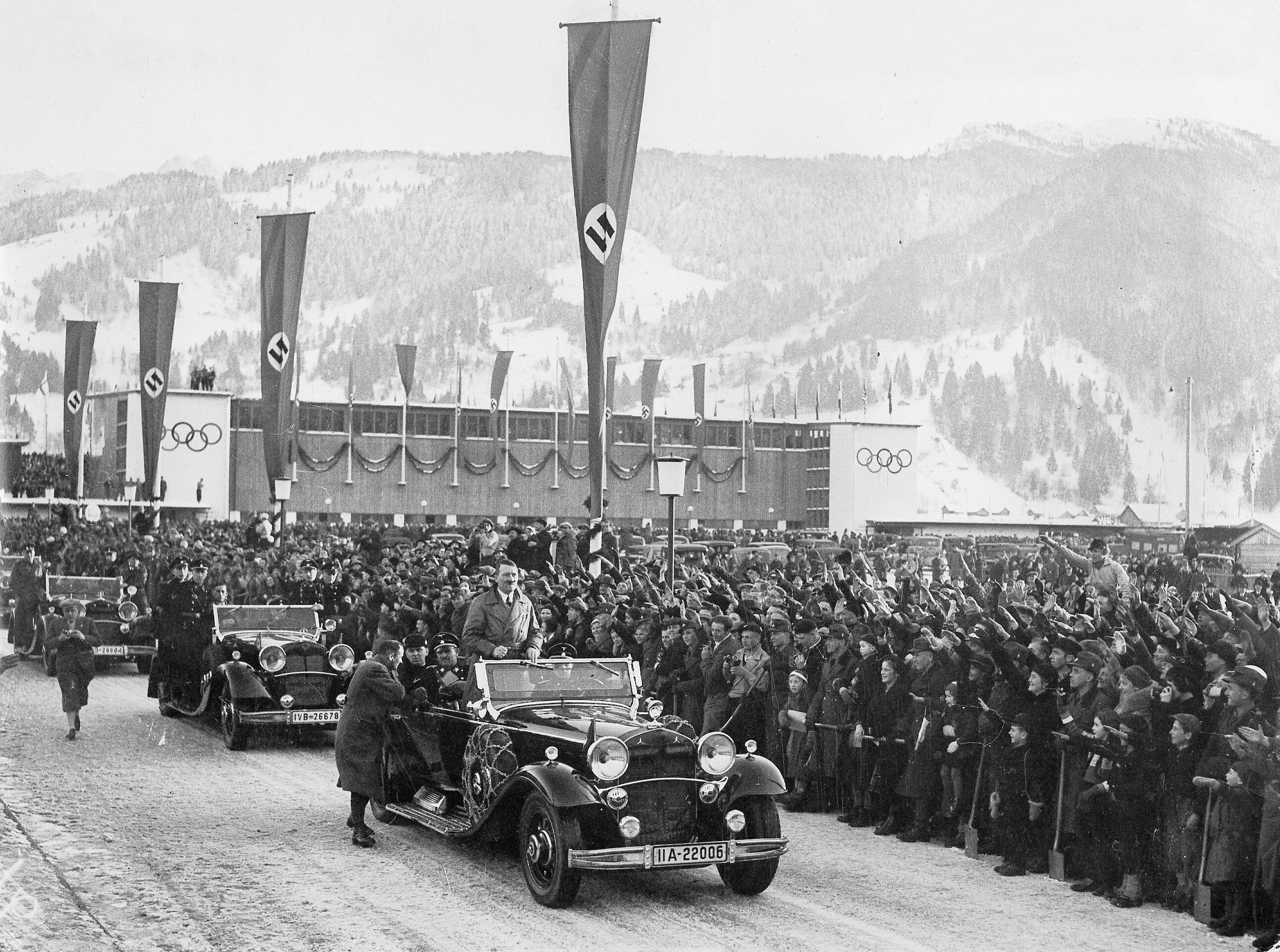
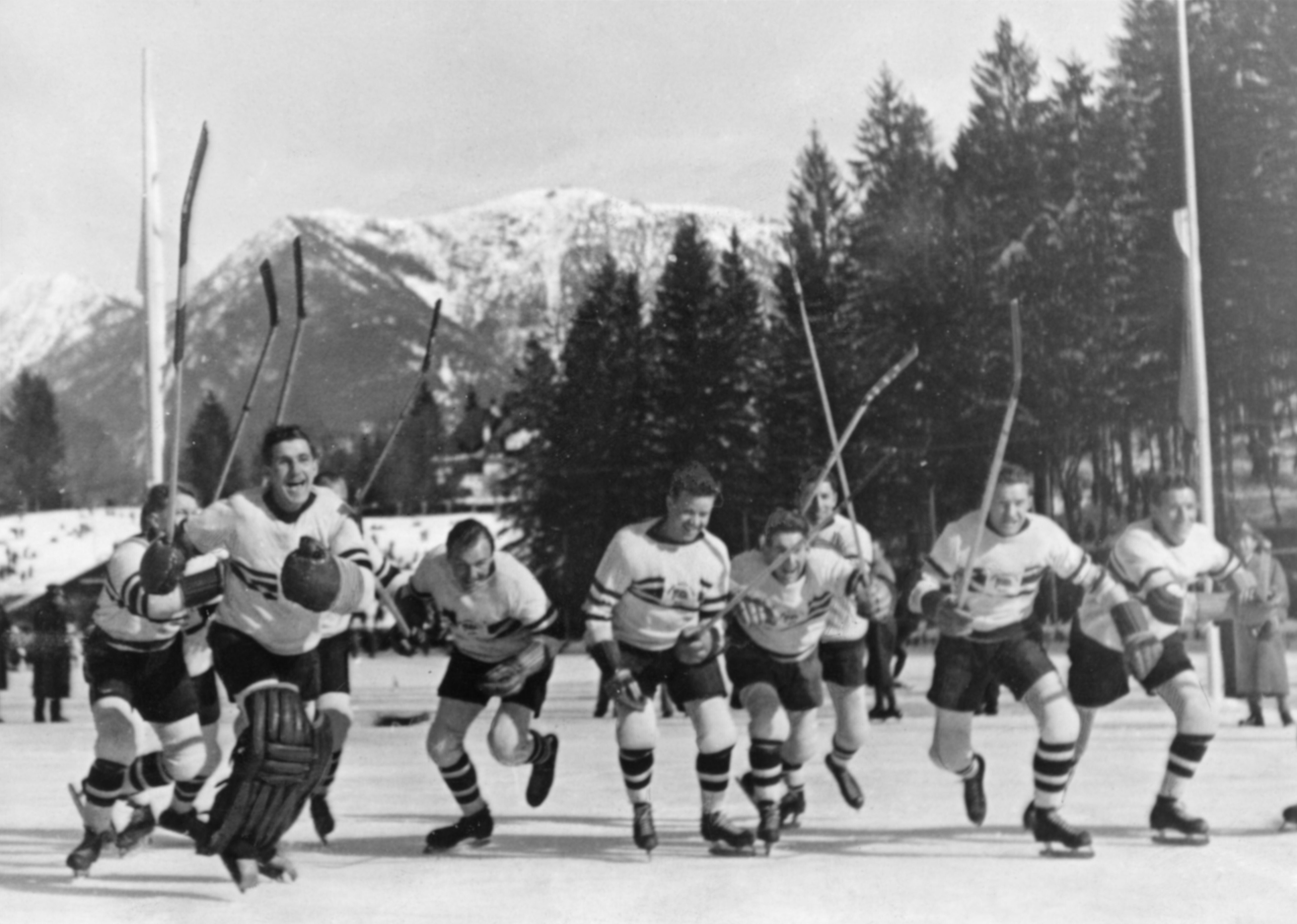
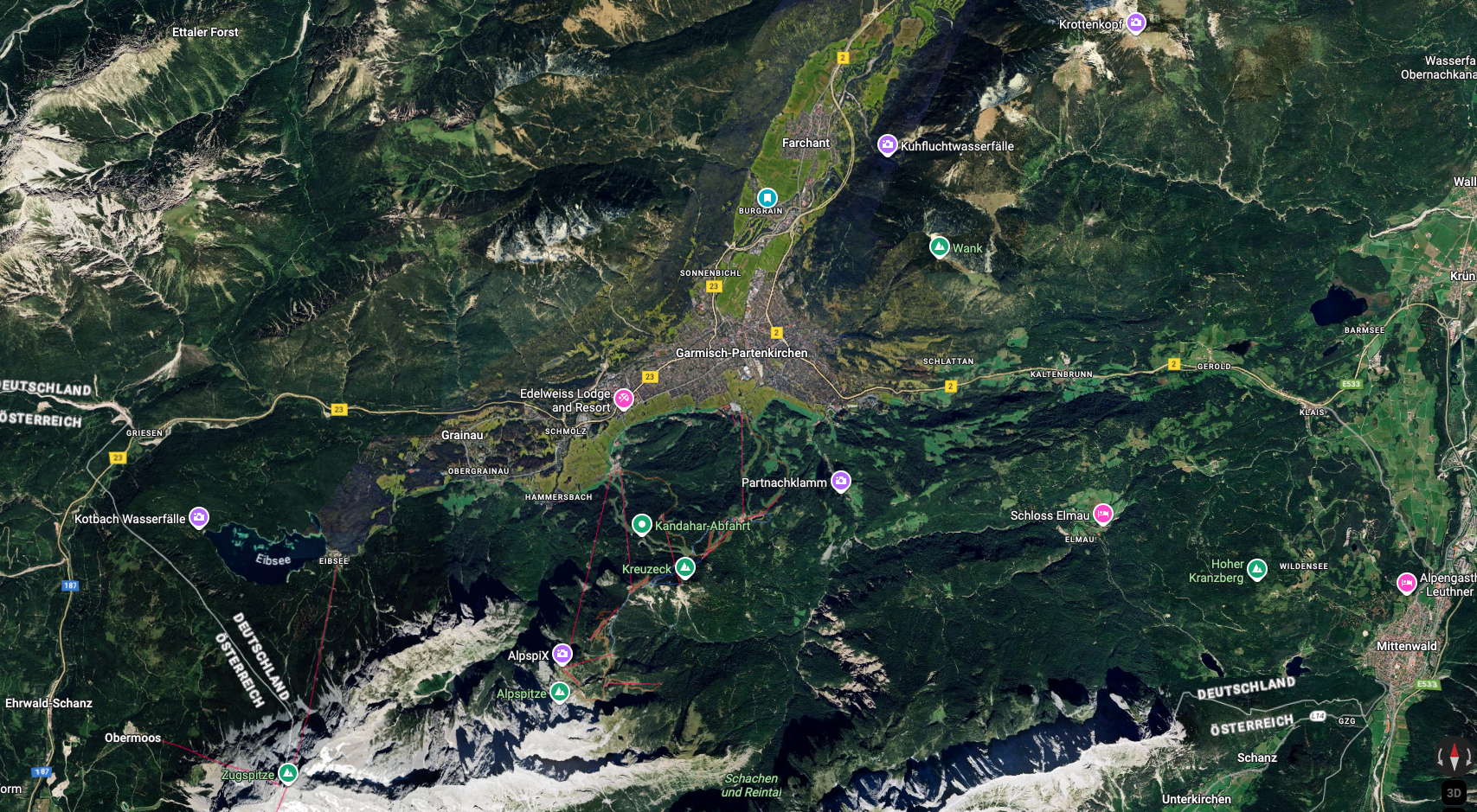
The 1936 Winter Olympics in Garmisch-Partenkirchen were the first to be held in Germany. Against the backdrop of the Zugspitze and Wetterstein mountains, ski jumps, an ice stadium, and new slopes were built, transforming two Bavarian market towns into an internationally renowned winter sports resort. Alpine skiing competitions were included in the program for the first time, with rapid downhill runs and slalom races shaping the image of modern winter sports. In figure skating, Norway's Sonja Henie caused a sensation with her third Olympic victory. Germany's Maxi Herber and Ernst Baier revolutionized pair skating, becoming the first to perform parallel jumps and significantly raising the technical bar. At the same time, the Games are inextricably linked to the Nazi dictatorship. International calls for a boycott in the run-up to the Games refer to the systematic exclusion of Jews and political opponents in Germany. The regime responded with appeasing symbolic gestures and used the Winter Games as a propaganda platform – an approach that would later also shape the Berlin Summer Games. Jewish ice hockey player Rudi Ball was allowed to compete for the German team: a deliberate exception that did not refute the reality of exclusion, but rather concealed it. Sport thus became a vehicle for presenting Germany as a peace-loving, modern, and efficient nation. Leni Riefenstahl took up this staging in her film “Youth of the World” – at the same time a trial run for her work on the following Summer Games. Radio broadcasts, newsreels, and photographs spread images of seas of flags and sports stars worldwide. The 1936 Games are thus exemplary of the ambivalent connection between sporting fascination, technical modernity, and political appropriation.
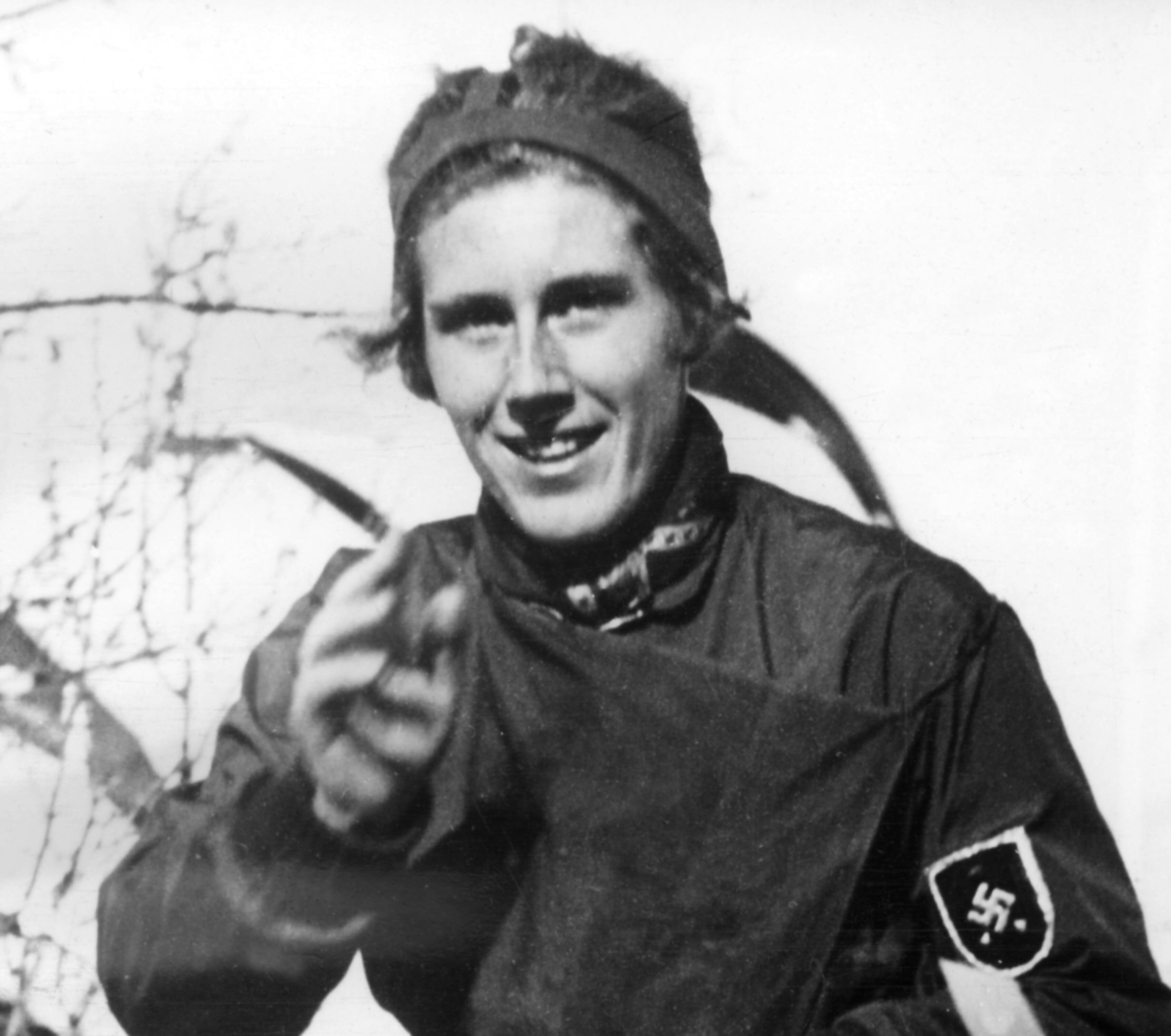
Christel Cranz
Christl Cranz (1914-2004) was one of the most influential alpine ski racers of the 1930s. She celebrated her greatest success in 1936 in Garmisch-Partenkirchen with gold in the combined event: after a fall in the downhill, she managed to make up 19 seconds in the slalom! Her gold medal was the first for Germany in the history of the Winter Games. Like many sports idols of her time, she was subsequently appropriated by the Nazi regime for propaganda purposes. She remained connected to her sport and ran a ski school in the Allgäu region until old age.
- Besuch planen Alle Infos rund um den Besuch
- Führungen Direkt online buchen
- Eintritt Tickets kaufen
- Museumsshop Unser Online-Shop
- Event & Location Alle Infos für die Planung Ihrer Veranstaltung
