History of the Paralympic Winter Games
Higher, faster, colder!
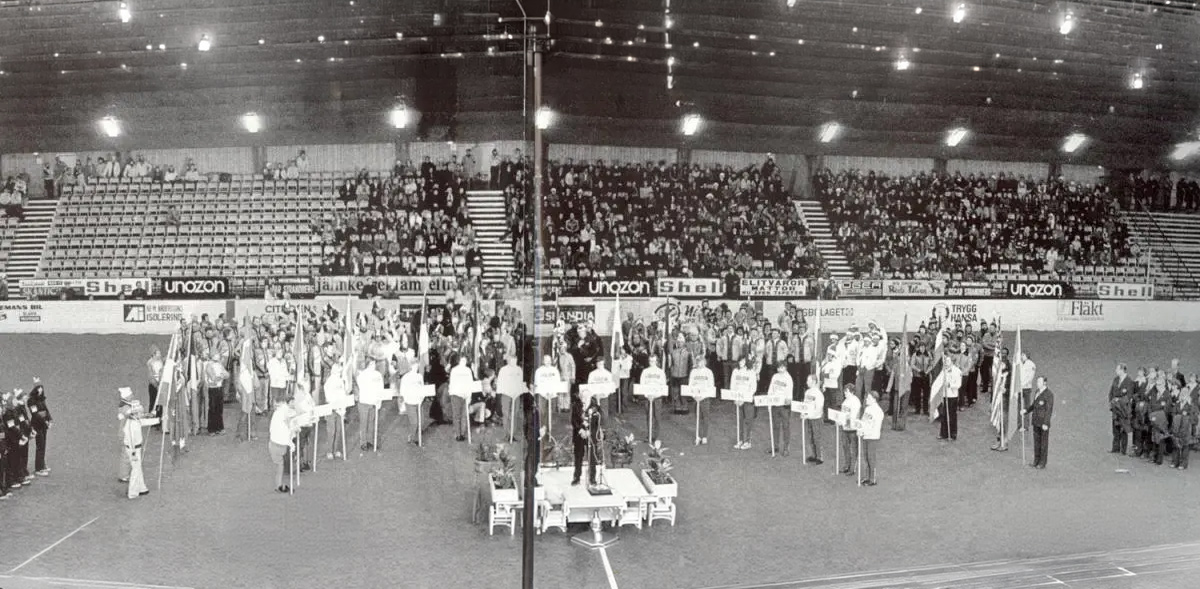
The history of the Paralympic Winter Games begins in 1976 in Örnsköldsvik, Sweden. 198 athletes—primarily from Europe—compete in 53 events in just two sports: Para alpine skiing and Para cross-country skiing. Germany fields the largest team and tops the medal table. From this small event, an international winter sports competition with growing athletic and social significance develops over the following decades.
Among the notable milestones is Innsbruck 1988, where sit-ski competitions for athletes with spinal cord injuries expand the program. In 1992 in Tignes–Albertville—where the Winter Paralympics are held for the first time at the same venue as the Olympic Winter Games—Para biathlon becomes established. Lillehammer 1994 introduces Para ice hockey as a team sport to the program, Turin 2006 adds wheelchair curling, and Sochi 2014 includes Para snowboard.
At the same time, the role of the Games evolves: reach, broadcasting, and international visibility increase, as does the importance of accessibility, classification systems, professionalization, and inclusive infrastructure. The Winter Paralympics thus become not only a stage for outstanding athletic achievement but also a platform for social participation.
- Besuch planen Alle Infos rund um den Besuch
- Führungen Direkt online buchen
- Eintritt Tickets kaufen
- Museumsshop Unser Online-Shop
- Event & Location Alle Infos für die Planung Ihrer Veranstaltung
