Lillehammer 1994
A Norwegian winter fairy tale
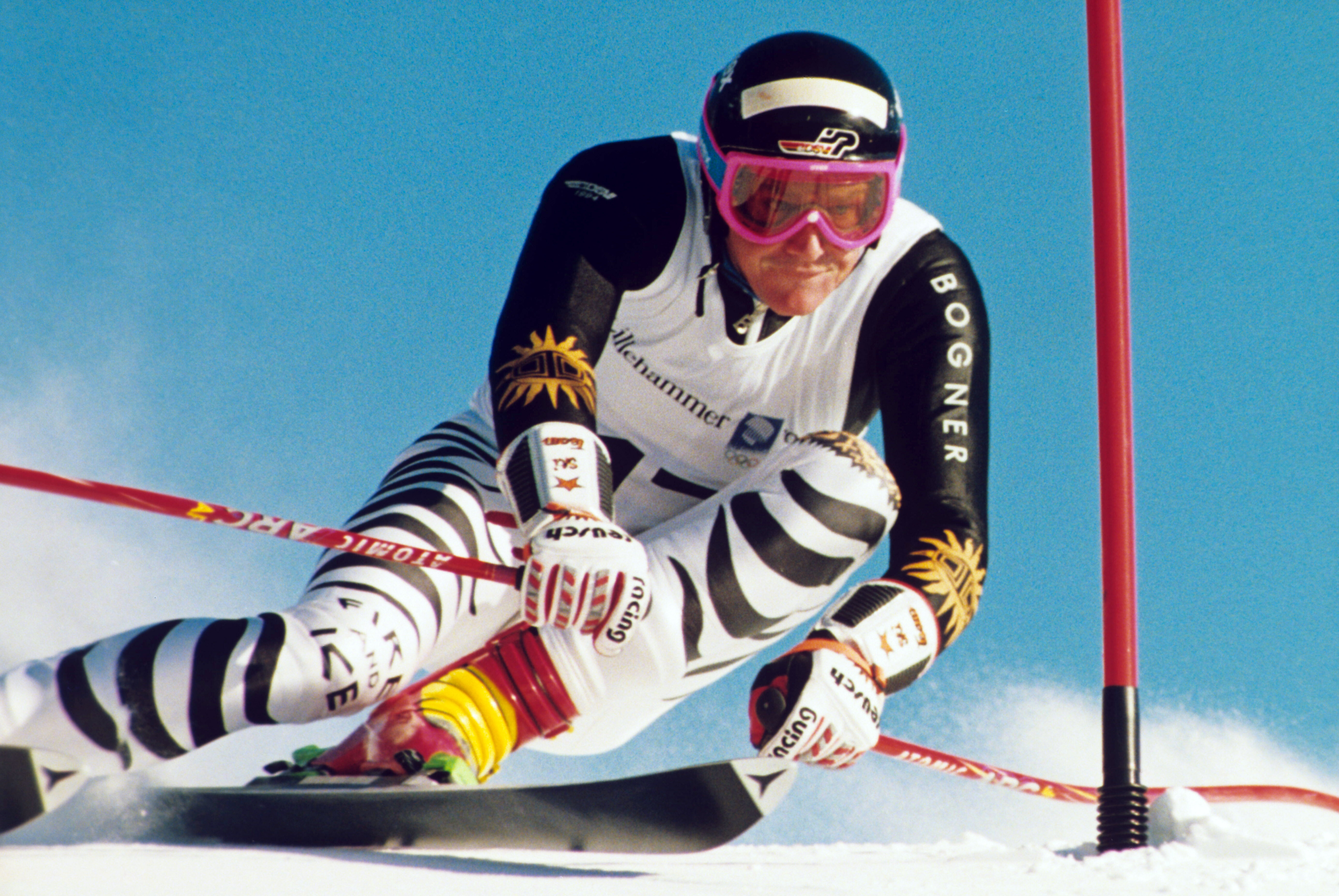
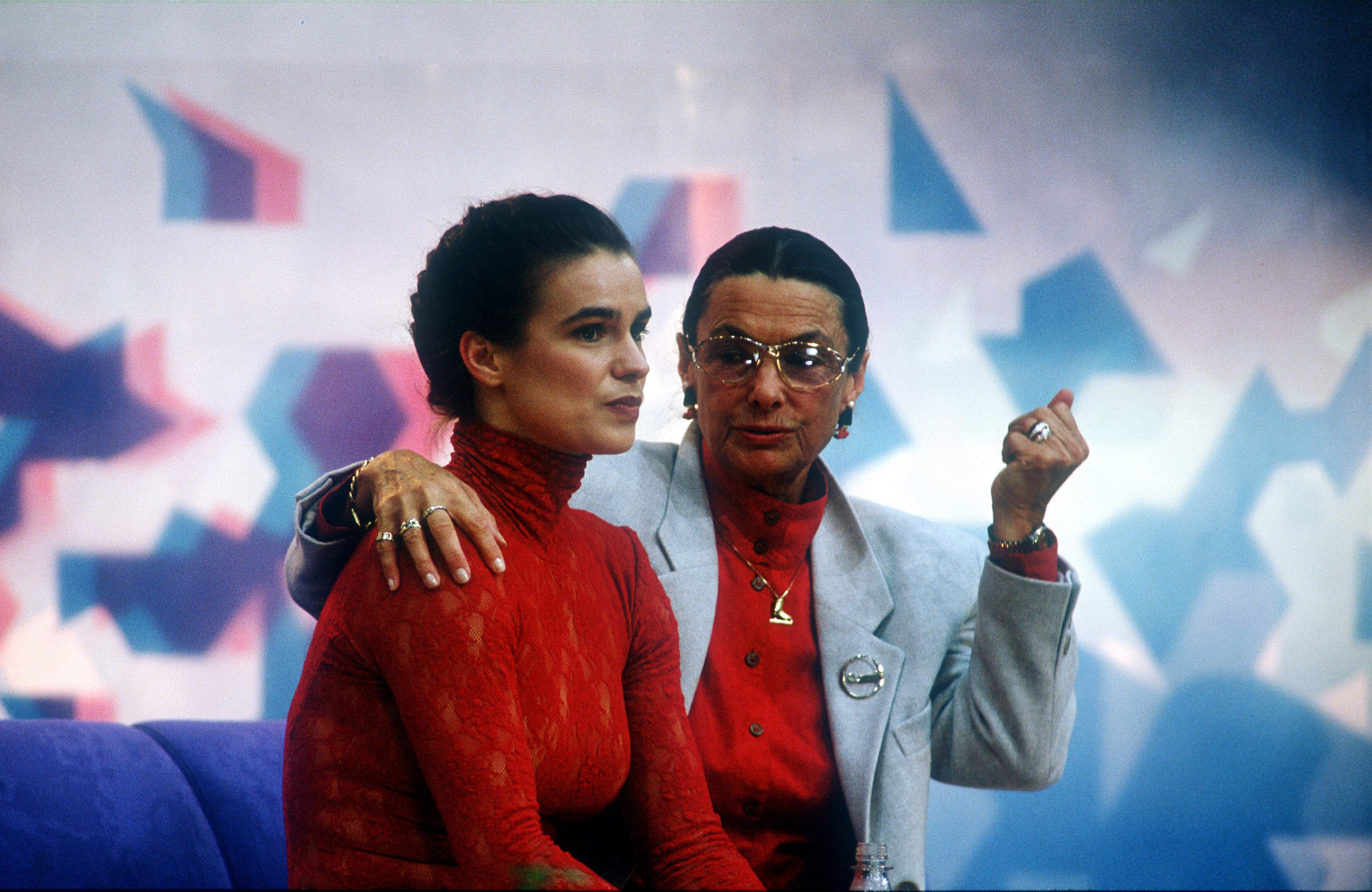
Just two years after the Games in Albertville, a new Olympic calendar begins in Lillehammer: whereas the Summer and Winter Games had been held in the same year until 1992, they now alternate every two years. In direct comparison to Albertville, Lillehammer shows a different side of the same idea: compact, close to nature and the public. Idyllic wooden houses, winter landscapes, a lively environmental awareness and the special enthusiasm and warmth of the population characterize the image – to this day, Lillehammer is considered a “Norwegian winter fairy tale.” In terms of sport, German athletes once again made headlines. Jens Weißflog, who won the Olympic ski jumping gold medal for the GDR in 1984, won gold on the large hill and in the team competition – together with West Germans Dieter Thoma, Hansjörg Jäkle, and Christof Duffner. His success is also unique in terms of style history: Weißflog remains the only ski jumper to win Olympic gold in both parallel and “V-style” – a career that highlights the transformation of the sport. Markus Wasmeier also made history: completely unexpectedly, he raced to gold in the super-G and giant slalom. These were the first Olympic victories for a German ski racer since Franz Pfnür's triumph in 1936. One of the most emotional moments of the Games was provided by figure skater Katarina Witt, who returned to the Olympic stage after a stint as a professional. Her highly acclaimed free skate to “Where Have All the Flowers Gone” is reminiscent of the civil war-torn Olympic city of Sarajevo, where Witt won her first gold medal in 1984. In sporting terms, her performance is “only” rewarded with seventh place, but it nevertheless leaves a lasting impression. Katarina Witt (born 1965) is one of the world's most famous figure skaters. She won gold for the GDR in Sarajevo in 1984 and Calgary in 1988 and was the first skater since Sonja Henie to defend her Olympic title. Always at Witt's side is her long-time coach Jutta Müller, who is known for her strict yet artistic training methods. In addition to her Olympic victories, Witt won four world championship titles (1984, 1985, 1987, 1988). After the end of her amateur career, she appeared as a professional in major shows and worked in the media and entertainment industry. In 1994, she returned once again to Lillehammer – once again with Jutta Müller at her side.
Katarina Witt
Katarina Witt (born 1965) is one of the world’s most famous figure skaters. She wins gold for East Germany at the 1984 Sarajevo Olympics and the 1988 Calgary Olympics, becoming the first skater since Sonja Henie to successfully defend an Olympic title. Always by Witt’s side is her long-time coach Jutta Müller, who is known for a strict yet artistically driven school of training. In addition to her Olympic victories, Witt wins four World Championship titles (1984, 1985, 1987, 1988). After the end of her amateur career, she performs professionally in major shows and works in the media and entertainment industry. In 1994 in Lillehammer, she makes a comeback—once again with Jutta Müller at her side.
- Besuch planen Alle Infos rund um den Besuch
- Führungen Direkt online buchen
- Eintritt Tickets kaufen
- Museumsshop Unser Online-Shop
- Event & Location Alle Infos für die Planung Ihrer Veranstaltung
