Milano Cortina 2026
ITs Your Vibe
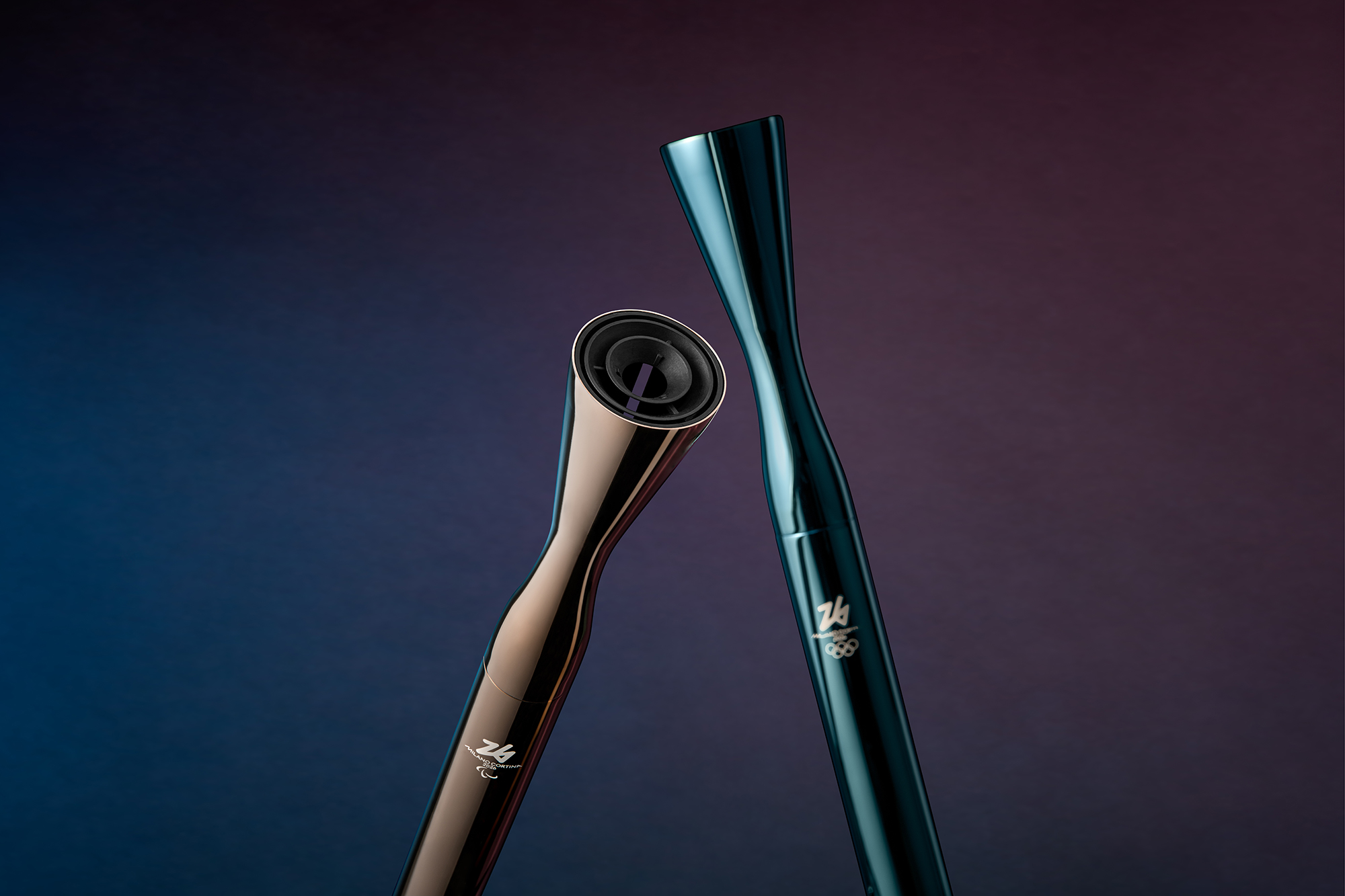
The Winter Olympics connect the fashion capital of Milan with the traditional town of Cortina d'Ampezzo in the Dolomites. Well-known courses are being revamped in several competition centres: Livigno is focusing on freestyle and snowboarding, while Val di Fiemme is considered a classic venue for cross-country skiing, ski jumping and Nordic combined. Biathlon will be held in Antholz in South Tyrol, an established World Cup and World Championship venue. Alpine specialists will race down the slopes of Cortina and Bormio, while three disciplines – women's sprint, men's sprint and mixed relay – will make their Olympic debut in ski mountaineering. The Games thus bridge the gap between urban metropolis and alpine landscape, between young trend sports and established winter sports classics. The concept of the Games focuses on sustainability: many facilities will be reused or only temporarily erected, and new transport links will benefit the region beyond 2026. The basis for this is the International Olympic Committee's ‘The New Norm’ reform programme, which focuses on the use of existing facilities, cost reduction and ecological and social responsibility. Milano-Cortina is seen as a first attempt to consistently implement this approach. At the same time, the new bobsleigh track in Cortina is causing controversy: critics complain about the costs and environmental impact and question its compatibility with the stated sustainability goals. One positive aspect is the barrier-free conversion of the ancient Arena di Verona, where the Olympic closing ceremony and Paralympic ceremonies will take place: ramps, lifts and easily accessible seating are intended to open up the historic amphitheatre to all visitors on a permanent basis – a legacy that will continue to have an impact beyond the duration of the Games.
- Besuch planen Alle Infos rund um den Besuch
- Führungen Direkt online buchen
- Eintritt Tickets kaufen
- Museumsshop Unser Online-Shop
- Event & Location Alle Infos für die Planung Ihrer Veranstaltung
