Start
Higher, faster, colder!
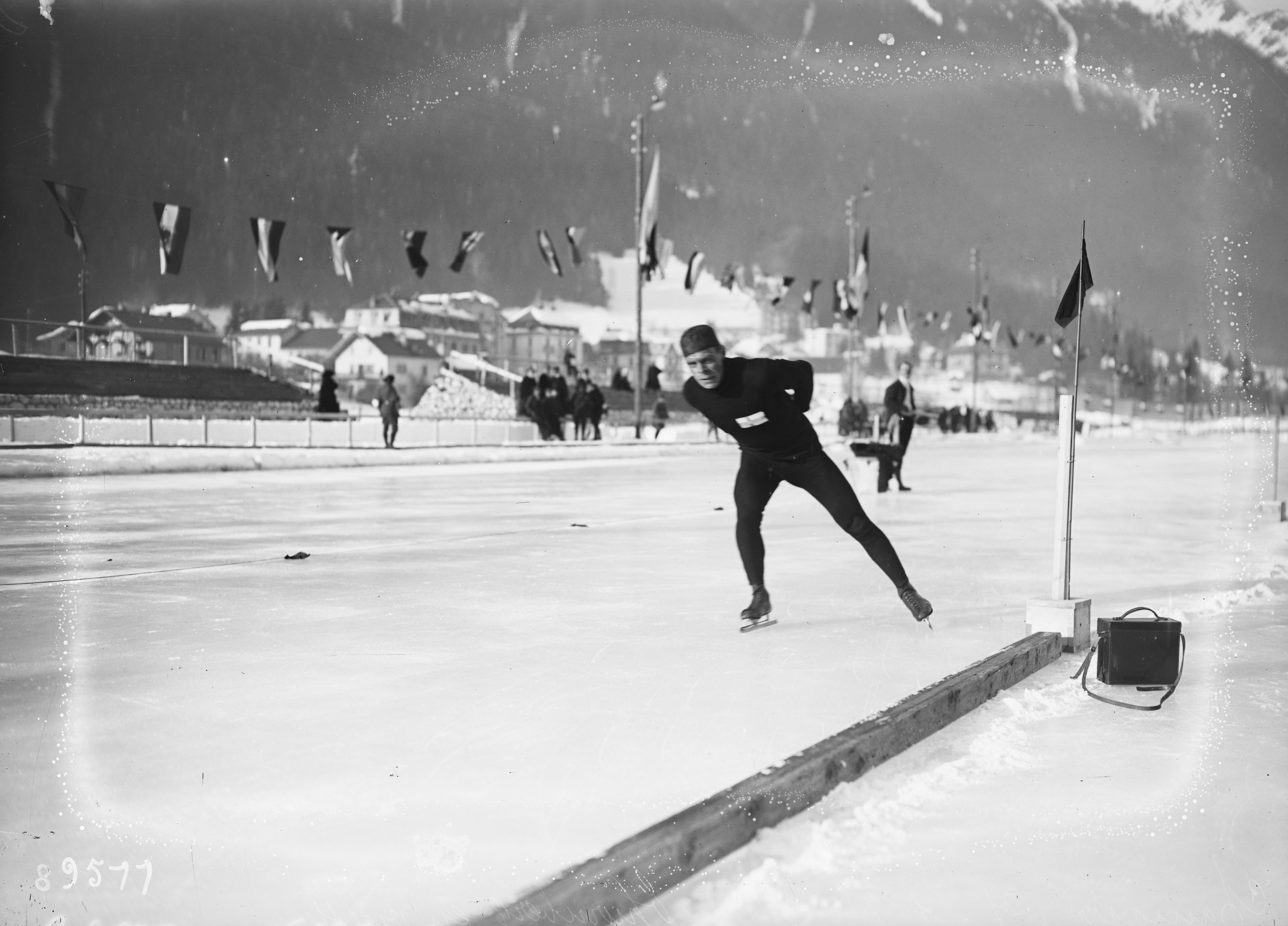
Higher, faster, colder! Olympic traces in snow and ice Since their premiere in Chamonix in 1924, the Winter Olympics have been a showcase for sporting extremes – and at the same time a mirror of their time. With each edition, disciplines, equipment, and competition venues change: from natural ice rinks and wooden skis to high-tech materials and artificial snow. “Higher, faster, colder!” tells the story of the Winter Games not only in terms of medal counts, but also as a history of innovation, politics, and atmosphere. The focus is on selected milestones: the “birth” in Chamonix, the politically charged Games of Garmisch-Partenkirchen in 1936, Cortina d'Ampezzo, which hosted the Games 70 years ago, Albertville in 1992 as a turning point after the Cold War, and Lillehammer in 1994, which heralded a new rhythm for the Winter Games. Since at least the second half of the 20th century, the Winter Games have been not only a sporting event but also a media event. Radio, television, livestreams, and social media create global real-time moments. Camera technology, timekeeping, replays, and data graphics are changing not only how we experience sport, but also how it takes place – right down to TV-friendly start times, dramaturgically planned arenas, and competition that is increasingly designed “for the cameras.” As the reach has grown, so has the level of marketing: sponsors, rights licensing, brand partnerships, and merchandising shape the budgets, visual language, and narratives of the Games – and at the same time bring questions of cost, benefit, and sustainable impact increasingly into focus. With an eye on Milan & Cortina d'Ampezzo 2026, the question ultimately arises: What will happen to the Winter Games when winter itself becomes a scarce commodity?
- Besuch planen Alle Infos rund um den Besuch
- Führungen Direkt online buchen
- Eintritt Tickets kaufen
- Museumsshop Unser Online-Shop
- Event & Location Alle Infos für die Planung Ihrer Veranstaltung
